

Realigning for Growth: How SMEs Can Stay Competitive in a Changing World
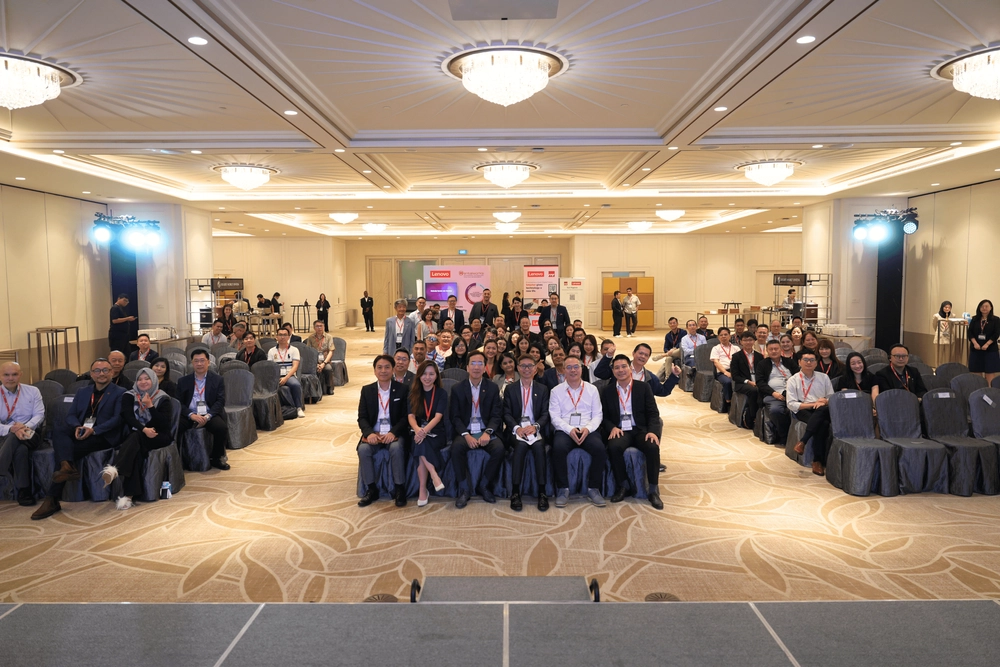
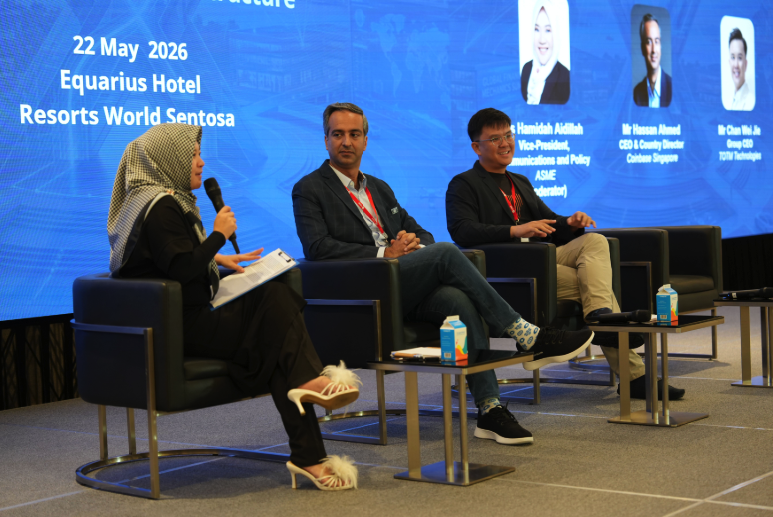
ASME held its annual Business Symposium on 22 May 2026, with the theme “Architects of Ambition: Building Global Infrastructure”. At its core, the theme emphasised the importance of building a strong foundation that can withstand the pressures of an increasingly volatile global landscape.
Businesses today are feeling the pinch in order to stay afloat as they navigate a challenging environment shaped by geopolitical tensions and shifting trade flows. Developments like the Middle East conflict and aggressive US tariff measures have contributed to heightened market uncertainty, placing additional pressure on businesses to remain competitive and resilient.
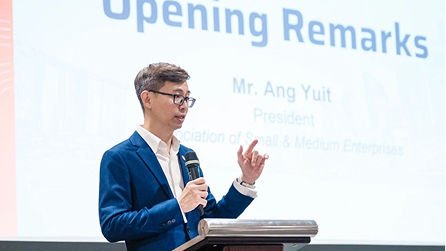
Against this backdrop, one message from ASME President Ang Yuit’s keynote address emerged strongly throughout the symposium: SMEs must prepare for what many describe as “The Great Realignment”. As supply chains are reconfigured and economic relationships evolve, SMEs often experience a greater impact due to their smaller scale and limited resources. This highlights the need for businesses to realign their capabilities and strategies in response to shifting global trade flows.
Rather than viewing these changes as obstacles, businesses are encouraged to see them as opportunities to strengthen their foundations and build new avenues for growth. Through a series of panel discussions and presentations, business leaders and industry experts explored how SMEs can adapt to this new reality through inorganic partnerships, stronger intellectual property strategies, digital resilience and financial innovation.
Adopting Inorganic Partnerships
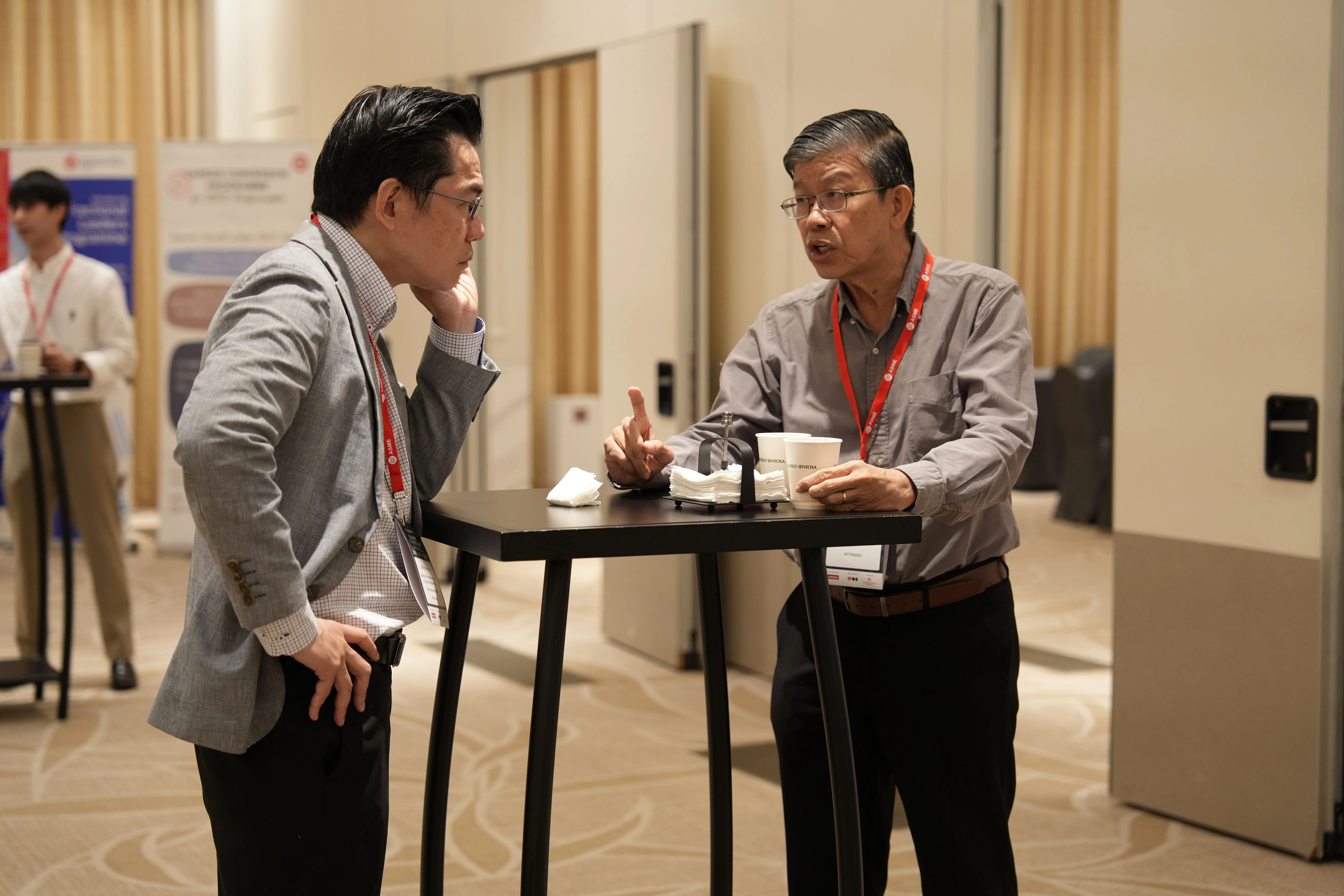
ASEAN was identified as a key growth market due to its rapid economic development and expanding business opportunities. However, keeping up with the region’s growth can be challenging for businesses that solely rely on organic expansion. As business challenges become more complex, inorganic partnerships offer SMEs a practical way to scale and adapt. Such collaborations enable businesses to gain quicker access to new markets, capabilities, and networks. Thus enabling them to scale with greater confidence.
With a more collaborative mindset, SMEs can look into strategic alliances, joint ventures, mergers and acquisitions. Initiatives such as the ASME SME UNITE programme which provides opportunities for businesses to connect with each other, fill operational gaps and regionalise more effectively.
Making use of Intellectual Property (IP)
With intangible assets and IP accounting for more than 90% of the value of S&P 500 companies, the nature of business value has shifted significantly. Competitive advantage increasingly lies not in physical assets, but rather in intangible assets that set businesses apart. This pushes SMEs to rethink how they view IP, from treating it as a legal formality or a reactive measure, to a strategic commercial asset that can drive growth and strengthen market positioning.
SMEs were also advised to establish clear contractual clauses for partnership agreements from the get go, including separation guidelines and exit strategies. Without these, partners can easily absorb the business’s operational knowledge, rebrand assets, and capture market share once partnerships end. Integrating IP management into leadership strategies and leveraging digital enforcement tools can help businesses protect their assets and avoid costly disputes in the future.
Strengthening Digital Resilience
Today, modern digital resilience goes beyond cybersecurity. It is about ensuring that businesses can continue operating effectively amid shifting regulations and geopolitical developments. Thus, it is important to keep core business systems operational while ensuring compliance with increasingly stringent regional laws. Internal tech teams play a critical role in balancing operational continuity with regulatory requirements, allowing businesses to remain agile and resilient as conditions change.
SMEs can also strengthen their resilience through the adoption of trade credit insurance. By protecting businesses against non-payment risks, trade insurance enables SMEs to offer more flexible payment terms to regional buyers with confidence. In an increasingly interconnected regional economy, such tools can help SMEs expand their customer base without taking on excessive financial risk.
Upgrading SME Finance
The ASEAN region’s open economic policies and rapidly developing digital payment systems position it well for the adoption of new financial technologies. Among the innovations discussed were stablecoins, which were presented as a practical tool for facilitating faster and more cost-effective international transactions.
Unlike speculative cryptocurrencies like Bitcoin, stablecoins are digital assets tied to real-world currencies. They are often described as ‘digital dollars’, and designed to maintain stable value while enabling seamless cross-border transactions.
Building for What Comes Next
Throughout every panel and presentation, there was the constant message that today’s business environment requires more than simply reacting to change. It requires deliberate realignment.
Business Symposium 2026 reinforced that while global disruptions may create uncertainty, they also present opportunities for businesses that are prepared to evolve. By embracing strategic realignment and investing in the right foundations, SMEs can transform today’s challenges into sustainable growth opportunities and lasting competitive advantage.
Catch ASME’s next event, The Middle East Issue and Its Impact on Businesses: A Bilingual Fireside Chat with SMS Sim Ann, on 8 June 2026. Sign up for it today.
ADVERTISEMENT